
3335 words // 18min read time
Before I begin – see what’s left in the blanket sale! Just a few blankets left!
Hello, fellow creative! Today, I’m going to share a book review/report with you. I look forward to sharing many titles in these reports and connecting them to my Creative Journey Series. I believe as creatives it is so important for us to study the works of others, and use the creative tools that other artists have provided. Seeing the field of art through many perspectives and lenses is crucial to growing ourselves as artists.
Whether you purchase these books second-hand, or check them out from a library, I can say that I recommend perusing them, taking them in, and processing their contents. Sometimes I will review a book that is written by an author who means to help us with our art, and sometimes I will review a curated art book that has a few editors and focuses on the artworks of a certain artist. In both cases, there is something to be learned and inspiration to be gathered.
Without further ado, I present:
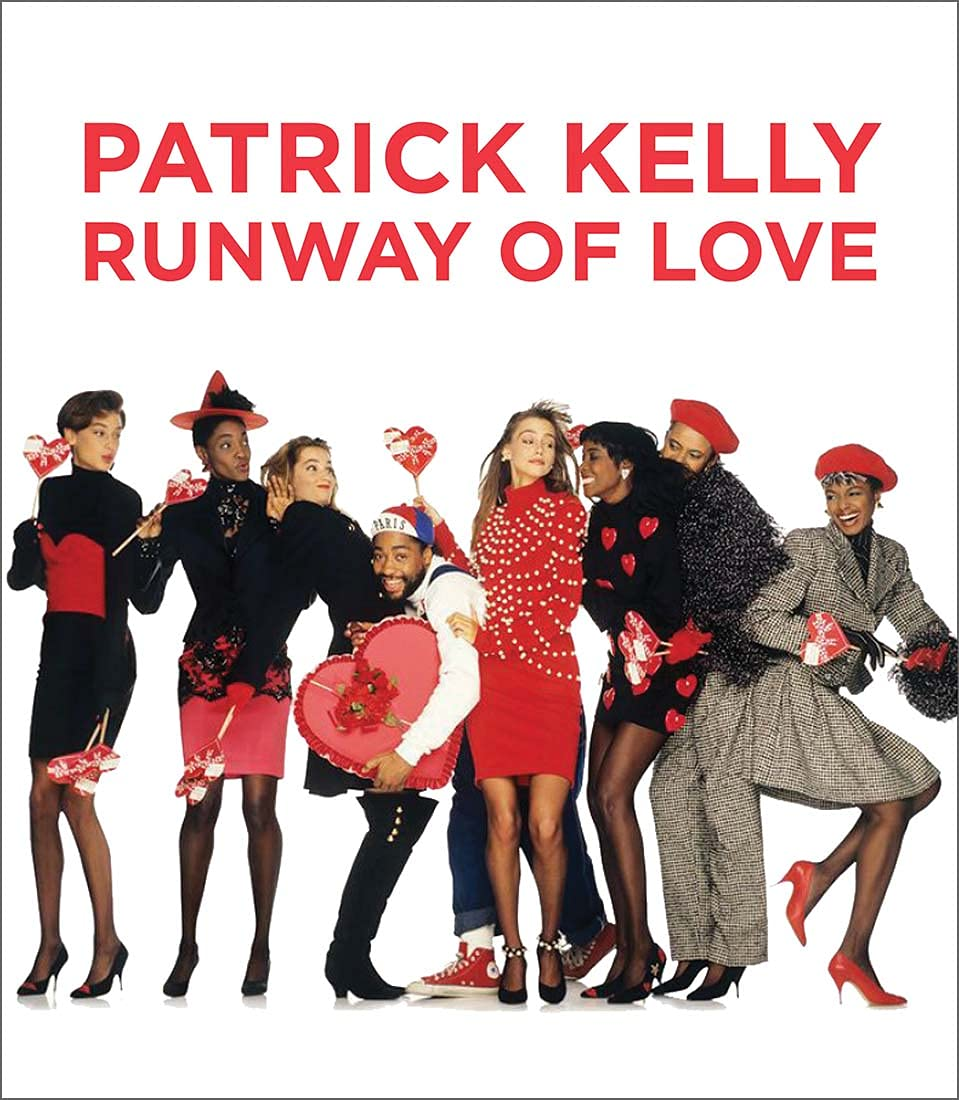
Patrick Kelly: Runway of Love, by Laura L. Camerlengo and Dilys E. Blum
Why this book?
I chose Runway of Love for the “ascension” phase of my Creative Journey series, and it felt especially fitting for Pride Month. Patrick Kelly’s story is a celebration of joyful rebellion as he was an artist who turned fashion into both a love letter and a mic drop. This book came to me when I needed to remember that reclaiming your creative energy doesn’t always mean starting over. Sometimes it means showing up louder, brighter, and more unapologetically you. Kelly’s life and work are proof that resilience can wear rhinestones and still speak volumes.
From the Amazon page found here: “Generously illustrated with hundreds of images of runway photography, garments on mannequins, and never-before-published archival materials, this book is an unprecedented exploration of Kelly’s influential career, which was tragically cut short by complications from AIDS. More than 80 of Kelly’s most beloved works are featured alongside thoughtful essays focusing on his work in relationship to French fashion, Queer identity, Black identity, and his exuberant runway shows. Also featured is a detailed timeline decorated with archival photographs and drawings, making this volume the definitive resource on Kelly’s life and work.”

–
This is 100% a book that you can use as a source of inspiration during Part 9 of the Creative Journey, “Sustaining Your Style” Here is a link to that post to take a deep dive into getting started. Just flip open the book, read about the runway art of Patrick Kelly, and get instantly and ascendingly inspired.
About the Author/Artist
Patrick Kelly (1954–1990) was known for his bold, bright, and joyful fashion creations that resonated in the streets and nightclubs and on the runways of New York, Paris, and beyond. The first American and the first Black designer to be admitted to the governing body of the French fashion industry, Kelly boasted celebrity couture clients including Madonna, Cicely Tyson, and Gloria Steinem. His designs are distinguished by a combination of playful aesthetics and a willingness to brazenly foreground race and heritage and push cultural boundaries, including racial tropes like golliwogs, or Black baby dolls.
According to Fast Company: Kelly was born in the small town of Vicksburg, Mississippi, in 1954. His love of fashion began when he was in elementary school, where he learned to sew. He struggled to make it as a designer for several years after college, moving to Atlanta. He then moved to New York, where he connected with Pat Cleveland, a black supermodel, who fell in love with his work. Cleveland encouraged Kelly to move to Paris, which he did in 1980. There, his looks immediately caught on, and he began dressing celebrities like Grace Jones and Isabella Rossellini. In 1987, the large fashion conglomerate Warnaco, which also owned Calvin Klein and Speedo, invested in his business, although the company did not allow him to use the golliwog logo on shopping bags. In 1988, he became the first American ever to be admitted to the Chambre Syndicale du Prêt-à-Porter, a prestigious governing body in the French fashion industry.

–
Kelly was an avid collector of Black memorabilia, with an affinity for items depicting racial stereotypes that many people find challenging, offensive or demeaning. He deployed this material ironically in his designs, which feature cartoonish watermelon wedges, black baby dolls, bananas and golliwogs, among other images. In 2004, Robin Givhan, writing in the Washington Post, observed that an important aspect of Kelly’s work as a designer was the way he foregrounded race and heritage in his designs, choices of models and public image.
Kelly sought inclusiveness in the clothes he designed, telling People Magazine in 1987, “I design for fat women, skinny women, all kinds of women. My message is, you’re beautiful just the way you are.” At his March, 1987 show, one of his models was eight months pregnant.
Any lasting contribution that Kelly made to fashion’s vocabulary is dominated by the singular significance of his ethnicity. Kelly was African-American and that fact played prominently in his designs, in the way he presented them to the public and in the way he engaged his audience. No other well-known fashion designer has been so inextricably linked to both his race and his culture. And no other designer was so purposeful in exploiting both.

–
Life Timeline
1954 – Birth
- September 24, 1954: Patrick Kelly is born in Vicksburg, Mississippi, USA.
- Raised by his mother (a home economics teacher) and his grandmother, who nurtured his interest in sewing and fashion from an early age
Early 1970s – College Years
- Attends Jackson State University, a historically Black college, but eventually leaves before graduating.
- Moves to Atlanta, where he begins working in fashion retail and designs for local drag performers and fashion shows.
Late 1970s – Move to New York City
- Relocates to New York to attend Parsons School of Design, though he faces racial and financial barriers and does not complete the program.
1980 – Relocation to Paris
- With the encouragement and help of friend and model Pat Cleveland, Kelly moves to Paris, France, in pursuit of greater opportunities.
- Begins designing for private clients and gains attention in the Paris fashion scene for his bold and playful aesthetic.
1985 – Launch of His Fashion Line
- Launches his own ready-to-wear line, Patrick Kelly Paris.
- Quickly gains international recognition for his exuberant use of color, body-hugging silhouettes, and satirical references to Black Americana (e.g., watermelon, golliwog imagery, and buttons as cultural symbols).
1988 – Historic Breakthrough
- Becomes the first American and first Black designer admitted to the Chambre Syndicale du Prêt-à-Porter des Couturiers et des Créateurs de Mode, the governing body of the French fashion industry.
- His shows are theatrical, joyful, and politically provocative, often incorporating commentary on race, gender, and identity.
Late 1980s – Peak and Legacy Formation
- His designs are worn by major celebrities, including Grace Jones, Iman, Bette Davis, and Isabella Rossellini.
- He remains a beloved figure in Paris for his charisma, generosity, and bold celebration of Black culture.
1990 – Death
- January 1, 1990: Patrick Kelly dies at age 35 of complications from AIDS in Paris.
- His death highlights the toll of the AIDS crisis in the creative community.
Posthumous Recognition
- 2004: The Brooklyn Museum hosts a retrospective exhibit honoring his work.
- 2014: The Philadelphia Museum of Art holds a major retrospective, Patrick Kelly: Runway of Love, celebrating his impact on fashion and culture.
- Today, Kelly is remembered as a trailblazer who challenged fashion norms with humor, activism, and unrelenting joy.
Their Websites and Links
Overview and Core Themes
Patrick Kelly’s works shows us that sometimes creative resurgence shows up sequined and grinning, daring you to be too much. I saw myself in his love of adornment, as much of my works are maximalist. Kelly’s works use color, contrast, and playful repetition to tell deeper stories. He also made me rethink what it means to center your audience. He didn’t design for critics. He designed for his people: Black women, queer communities, and outsiders looking for joy. He reminds us that we get to choose who our work is for, and it can be loving, bold, and sharply clever all at once.
Some ways that Kelly used his art to further his mission:
- He used fashion to speak loudly, lovingly, and politically. His work embraced race, queerness, and Southern Black culture in ways that were joyful and radical.
- He made his own seat at the table. After moving from Mississippi to Paris, he built a meteoric career through sheer charisma, talent, and hustle.
- Buttons, bows, and bodycon were his armor. He used playful design elements to reframe powerful conversations around identity and sexuality.
- He wasn’t afraid of kitsch or controversy. His collections were layered. They were sassy on the surface and subversive underneath.
- His love was his politics. “Runway of Love” was his whole ethos, of inclusion, defiance, and celebration.

–
Themes and Artist’s Purpose
Patrick Kelly’s design language is vibrant and maximalist. He leaned into primary colors, bold silhouettes, and high-contrast detailing. Think red heart buttons on black dresses, lipstick pink bows, banana yellow trim. His use of repeated shapes like buttons, lips, and dice became visual signatures, like motifs stitched across a broader cultural statement. He worked in rhythm and repetition, and his clothing often referenced cartoonish play while holding space for cultural critique. His compositions teach us that clarity doesn’t require simplicity. That joy is a legitimate design principle.
Kelly’s primary purpose as a fashion designer was to use his playful and joyful designs to challenge racial stereotypes and promote inclusivity, while also celebrating his Southern roots and Black culture. He aimed to create a fashion world where everyone felt welcome and beautiful, regardless of their background or body type.
Here are the main themes found in Runway of Love:

–
Love as Resistance
The show’s title, Runway of Love, reflected Kelly’s deep belief in love, inclusion, and joy, even in the face of racism, exclusion, and illness. He frequently ended his fashion shows with heart motifs or messages of love, using fashion as a way to celebrate life and push back against hate.
His signature motto, “I want my clothes to make you smile,” reflects his desire to create clothes that brought joy and positivity to the wearer and the world.
This black, figure-hugging dress spelled out in buttons: “I Love Patrick Kelly” is an iconic gown which greeted visitors at the show, and radiated self-love and joy.

–
Kelly would spray-paint a giant heart on the stage backdrop, turning love into performative plural graciousness. In his own words: “I want my clothes to make you smile.” This is a direct line from the PMA’s own exhibition wall.

–
Black Identity & Cultural Reclamation
Kelly sought to honor his roots. He frequently referenced his Southern upbringing, using motifs like oversized buttons (inspired by his grandmother’s mended clothes) and denim overalls (a tribute to Southern laborers). He celebrated Black culture through his designs, often featuring Black models. Laird Borrelli-Persson, from Vogue, says, “Kelly didn’t shy away from uncomfortable subjects, and his success was hard-won, yet he’s remembered as someone who, above all, chose to spark joy.”
Kelly incorporated symbols from Black Americana, including racist caricatures (like blackface and watermelon motifs), not to celebrate them, but to subvert and reclaim their power. His work challenged audiences to confront these images head-on, using fashion as a space to critique racism and highlight Black beauty and history. Andrea Kirsh at Artblog noted this as “the co‑option of racist imagery in the cause of self‑empowerment.” Kelly challenged and subverted these damaging images by reclaiming them in Black queer art and fashion.

–
Humor and Whimsy as Power
A consistent theme in Kelly’s collections was playfulness, which you can see in the big buttons, bows, exaggerated silhouettes, and tongue-in-cheek references. But his humor wasn’t trivial; it was a deliberate strategy to disarm, delight, and provoke thought. Humor became defiance and Kelly used delight to disrupt solemn conventions and provoke curiosity.
Sexuality and Body Positivity
Kelly’s designs were meant to be accessible and flattering to all body types, challenging the narrow beauty standards prevalent in the fashion industry at the time. He famously said he wanted to dress “everybody,” and he did. His shows featured models of all races, ages, sizes, and genders long before the fashion industry embraced diversity.
He celebrated curves, individuality, and self-expression, rejecting the narrow beauty ideals of his era. This was his way of refusing narrow beauty standards by celebrating bodies and experiences across spectra of belonging.

–

–
DIY and Accessibility
Kelly began his career with no formal support, selling clothes on the street in Paris, and kept that DIY spirit alive even after hitting the runway. His designs often included simple shapes adorned with bold, personal embellishments (e.g., buttons, patches), encouraging creative expression. Early collections of stretchy, simple “body-conscious knit dresses” adorned with buttons were rooted in DIY sensibility from his grandmother’s home sewing. In this way, Kelly showed that raw creativity and personal history could challenge elitist fashion systems.

–

–
Fashion as Storytelling and Activism
Kelly’s work was not just about aesthetics; it was a form of activism, using his platform to challenge racial stereotypes, promote inclusivity, and spark important conversations about race and identity. For Kelly, clothing was both autobiographical and political.
“The colorful exhibition is . . . a crucial tribute to this one-of-a-kind designer who brought messages of love and Black empowerment to the world stage through fashion.” Lauren Moya Ford, Hyperallergic
His collections referenced his Southern roots, African American history, queer identity, and the AIDS crisis, often all at once, and his runway shows functioned as living performances of resilience and pride. His clothes were vessels, conveying Southern Black, queer, and global journeys through bold fabric stories and political intent. The designs “asserted Black empowerment” rooted in love and joy. Critics described his work as a “radical Black camp aesthetic” created from images of oppression.

–
Creative and Artistic Takeaways
Patrick Kelly’s “Runway of Love” was a powerful display of creativity and artistry, using fashion to address social issues and celebrate individuality. Key takeaways include his bold use of color and playful designs, his reclamation of racist imagery, and his ability to blend high fashion with personal experiences. Kelly’s work challenged norms and sparked conversations about race, identity, and the power of fashion as a form of self-expression.
Here’s a more detailed look at the artistic takeaways:
- Reclaiming Racist Imagery: Kelly bravely incorporated elements of racist memorabilia, like the “golliwog” character, into his designs, not to perpetuate the harmful stereotypes, but to dismantle their power and reclaim them as symbols of his own narrative and Black identity.
- Playful and Joyful Aesthetic: Kelly’s designs were known for their vibrant colors, playful patterns, and whimsical details like buttons and bows. This joyful aesthetic was a deliberate act of subversion, transforming suffering and oppression into expressions of exuberance.
- Personal Narrative in Design: Kelly infused his designs with personal experiences, drawing inspiration from his Southern upbringing, his family, and the vibrant club and gay cultural scenes he was a part of. This blending of personal history with high fashion made his work deeply relatable and impactful.
- Use of Buttons as Signature Motif: Kelly’s signature use of mismatched and colorful buttons, inspired by his grandmother’s mending, became a recognizable symbol of his work. This detail highlighted the beauty in imperfection and resourcefulness, while also carrying a personal and cultural significance.
- Pushing Boundaries and Sparking Dialogue: Kelly’s work wasn’t afraid to challenge social norms and spark difficult conversations about race, identity, and sexuality. He used fashion as a powerful tool for social commentary, encouraging viewers to confront uncomfortable truths and engage in meaningful dialogue.
- Inclusivity and Representation: Kelly was known for featuring Black models in his runway shows, helping to normalize their presence in the international fashion world and boost their careers. This inclusivity was a deliberate act of representation and empowerment.
Drawing Upon Black Culture and His Childhood
Kelly drew upon his childhood in the United States South, his African American heritage, his experiences in the club and gay cultural scenes in New York and Paris, and muses from fashion, art, and Black history to create light-hearted yet sophisticated designs that pushed racial and cultural boundaries.
Kelly was a master storyteller, using his collections to convey the depths of Southern American culture on the international scene. His grandmother, who brought fashion magazines home from the houses she cleaned in Mississippi, was his muse, and his aunt, a seamstress, taught him to sew.
Why the buttons? The exhibition’s sections and themes include the “Runway of Love,” highlighting the designer’s heart-shaped embellishments to his clothing, often composed from his signature buttons. As a child growing up in Vicksburg, Mississippi, Kelly would often lose his buttons, which his grandmother replaced with those of many different colors, a look that Kelly later adapted for his fashion designs.

–
Major Projects and Contributions:
According to Chicago History: Kelly’s designs were exuberant and humorous, as seen in this silk women’s suit (c. 1988), and some of his most memorable garments used masses of plastic buttons, wild animal prints, and suggestive embroidery. But perhaps most notably, he was known for his potent referencing of folkloric racism in his work. Kelly used to give out handmade picaninny doll pins at his fashion shows. He deliberately grappled with the images of systemic racism that were widespread in his native Deep South and translated them into a blatant commercial statement. Kelly’s creations proved to be powerful and original contributions to the field of fashion, and he was a cult figure during his brief career that was prematurely and tragically ended by AIDS in 1990.
Patrick Kelly: The American in Paris
Watch this documentary on Patrick Kelly, filmed in New York City, Paris, and the de Young museum. “This short documentary – named an Honoree by the Webby Awards in the 2022 Video – Documentary: Longform category. The short film celebrates the life, career, and legacy of Black fashion designer Patrick Kelly (1954 – 1990).”
“There were no opportunities for him, but he made it anyway.” – Pat Cleveland

–
Final Thoughts
Would I recommend reading this book? Yes, for anyone who’s ever felt like an outsider or who’s searching for creative permission to be “too much.” This book is visual, emotional, and deeply affirming. It’s especially relevant to fiber artists, fashion lovers, and those exploring identity in their work. The only caveat: as a museum catalog, it doesn’t dive as deeply into Kelly’s inner world as a full biography might, but it makes up for that in visual and curatorial richness.
–
Thanks so much for checking out my analysis of this book. The free crochet motif that goes along with this book report will be released soon! Hope you have a great week, and happy crafting!
Rachele C.
Order my crochet pattern book: The Art of Crochet Blankets
You may also enjoy:
Support My Work
You’re supporting by just being here! You can read my blog (Start Here!), like and comment on socials, and message me for a chat. All of this supports my work free of charge!
- Affiliate links – Shopping through my links supports me at no additional cost to you as I get a small commission through my affiliates. Jimmy Beans Wool // WoolWarehouse // Amazon.com
- Buy my pattern book – I wrote a super neat crochet blanket pattern book, published under Penguin Random House. You can buy it here!
- Browse my self-published patterns – I have over a hundred patterns on Etsy //Ravelry//My Podia Shop
- Creative Art Blanket Course – Check it out on Podia
Where to Find Me
- Instagram: @cypresstextiles
- Facebook Page: CypressTextiles
- YouTube Channel: Rachele Carmona
- Pinterest: CypressTextiles
- Tumblr: CypressTextiles
- Etsy: CypressTextiles
- Ravelry: Rachele Carmona
- Podia: Creative Art Blanket Course